

GPUThor hardware attack can root Nvidia GPU systems
Researchers at the University of Toronto developed GPUThor, a new Rowhammer-based attack that bypasses Nvidia GPUs’ ECC protections, enabling data corruption, denial-of-service attacks, and even root-level privilege escalation on affected systems.
Editor's noteWe led the day with this over two bigger names because of what it breaks: an assumption, not a product. ECC was the reason nobody worried about Rowhammer on GPUs. If you run a GPU fleet, the question this quarter isn’t which patch — it’s which other “already covered” risk rests on the same kind of guarantee.
TECHNOLOGY
Microsoft slaps a fresh coat of AI paint on the Microsoft 365 Roadmap
Microsoft has renamed the Microsoft 365 Roadmap to the AI at Work Roadmap, consolidating updates for Microsoft 365, Copilot, agents, and related AI services while shifting to a continuous feature-publication model.
Nvidia acquires Hugging Face and the SpaceX mafia
Nvidia’s acquisition of Hugging Face, arguing the deal strengthens Nvidia’s AI-agent ambitions by adding a major developer platform. It also examines the growing “SpaceX mafia” and startup opportunities emerging from former employees.
Word 97's ghost in the machine: The crash that vanished the moment anyone looked at it
Veteran Microsoft engineer recounted a notorious Word 97 bug that crashed reliably in testing yet disappeared whenever engineers attached a debugger. The culprit ultimately turned out to be a CPU hardware erratum, not Word itself.
MARKETING & DESIGN
Google Lens Nears 20 Billion Monthly Searches: What Visual Search Means for SEO
Google Lens is approaching 20 billion monthly visual searches, making image-based discovery increasingly central to search behavior. The article argues that brands must adapt SEO strategies to optimize images, visual content, and product discoverability.
Editor's noteTwenty billion visual searches a month is a search engine that takes no words, and that is why it led Marketing & Design. Every pack shot, storefront and product photo is now a query, and most brands have optimised none of them. If your search plan still starts with keywords, this says it now starts with images.
'We don't want another damaged generation' — Inside the grassroots campaign demanding a ban on smart glasses
A grassroots campaign in the UK is pushing for restrictions on smart glasses, arguing they threaten privacy and normalize covert recording. Activists are lobbying retailers, venues, and lawmakers amid growing public backlash against wearable cameras.
This iPhone case is going viral for surviving a 100,000-foot drop from space — and it just earned a Guinness Book World Record
RhinoShield earned a Guinness World Record after an iPhone 17 Pro in its AirX case survived a 100,418-foot stratospheric drop over Sweden without a parachute, remaining functional after landing despite extreme temperatures and conditions.
ADVERTISING & PR
Where Have All The Meta Employees Gone?; The Trade Desk Goes Agentic
The Trade Desk’s push into agentic AI with a new centralized interface, and efforts by publishers such as USA Today to restructure content for AI-driven discovery and consumption.
Editor's noteA roundup led the section for one item: The Trade Desk putting an agentic layer over its buying platform. If the interface starts making the trades, the agency planner becomes a supervisor of a machine. Beside it, publishers reshaping content for AI discovery. Together they describe where the next ad dollar gets decided.
AI won’t replace media agencies. It will redefine what clients value most
AI will automate executional media tasks, but agency value will increasingly stem from strategic judgment, transparency, accountability, and business impact. As AI commoditizes operations, clients will prioritize partners that offer trusted counsel and measurable outcomes.
Following Meta’s $17 Billion Settlement, Media Buyers Say: Don’t Touch That Dial
Media buyers expect Meta’s landmark teen-safety settlement to reshape digital advertising and platform practices, as new restrictions on teen engagement, notifications, and usage set precedents likely to influence social-media companies, regulators, and marketers.
HUMAN RESOURCES
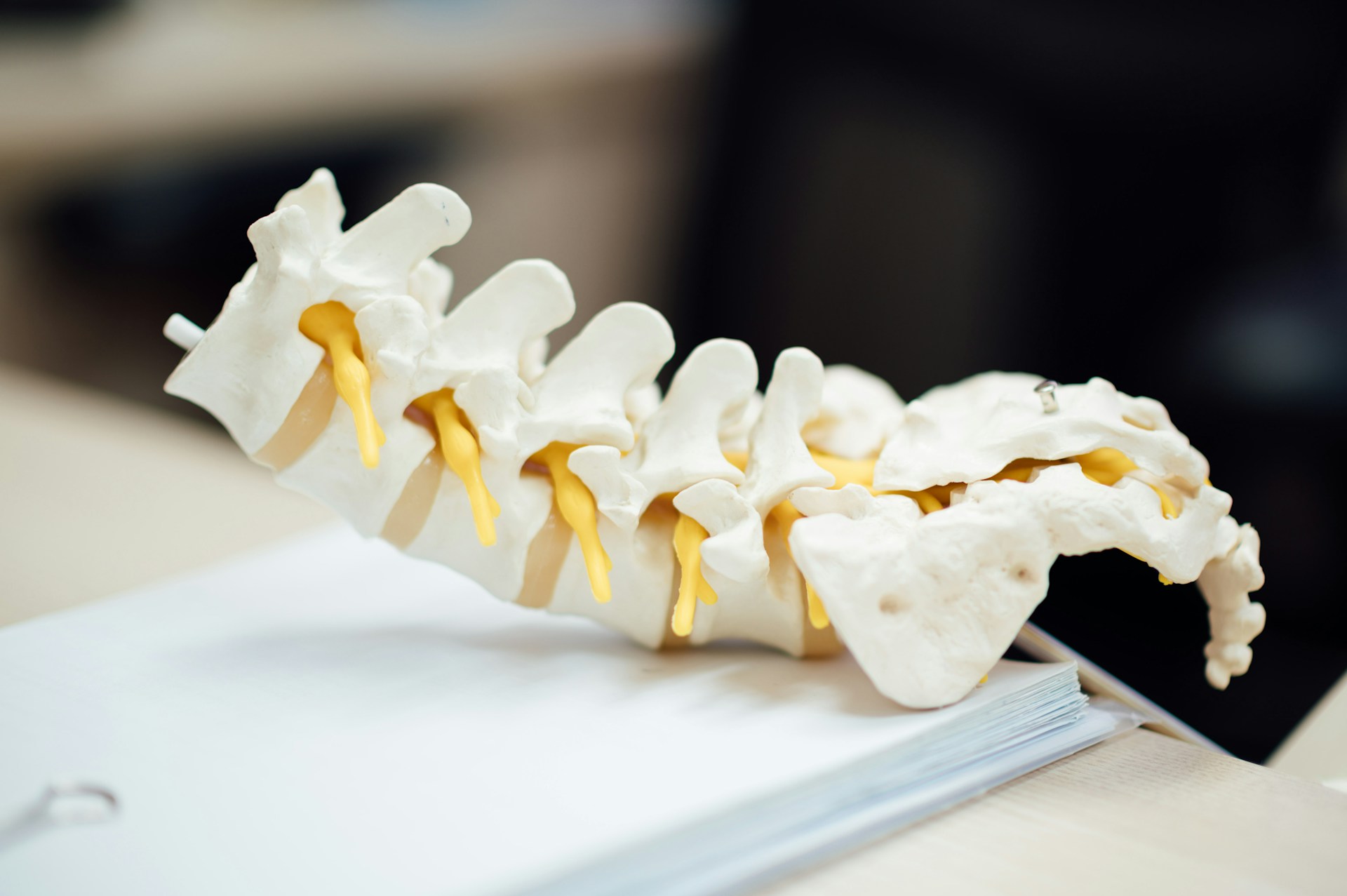
I turned to AI when my doctor couldn’t fix my back pain. It actually helped
A Fast Company columnist used Google Gemini to supplement treatment for persistent back pain, finding value in personalized guidance and symptom management. The article explores the promise and limitations of AI as a healthcare companion.
Editor's noteA columnist’s back pain and a chatbot that helped between appointments is an anecdote, and it led Human Resources anyway, because your employees are already doing this: symptom tracking, questions at two in the morning. The question for HR is whether benefits design knows, and whether the health plan has a view before an employee acts on one.
PUBLIC POLICY

Why did 1,000 Swiss citizens bury their underpants?
A citizen-science project asked more than 1,000 volunteers to bury cotton underwear to measure soil health. Researchers found decomposition rates varied widely, showing that land use and management strongly influence underground biological activity.
Editor's noteA thousand citizens burying cotton underpants for two months is a biological-activity meter that is cheap, repeatable and slightly ridiculous, which is why it led Public Policy rather than Funny. The finding is the policy: land use changed decomposition more than anything else measured. How ground is managed decides what lives in it, and that is a regulation question.
How Might a ‘Super El Niño’ Affect Food, Forests and Water?
WRI examines the potential impacts of a developing 2026 Super El Niño, warning that stronger-than-normal ocean warming could intensify droughts, floods, heatwaves, food insecurity, ecosystem stress, fisheries disruption, and wildfire risks worldwide.