
Public Policy
Regulation, trade, government and security, read for what they do to the businesses that have to live with them.
Public Policy is the vertical for the decisions made in capitals that land on companies. Regulation, trade and tariffs, elections and government, antitrust, and healthcare policy are the beats, and geopolitics and security appear when they change what a business can plan for. Three stories each weekday at 11, in our own words, linked to the publisher. We choose for the reader who has to model a policy risk rather than argue about it: the general counsel, the head of government affairs, the founder selling into a market whose rules are moving. Sources range from newspapers to think tanks and academic institutes, and we say which is which. The editor’s note beneath the day’s lead explains the choice and what to watch as the policy moves from proposal to enforcement.
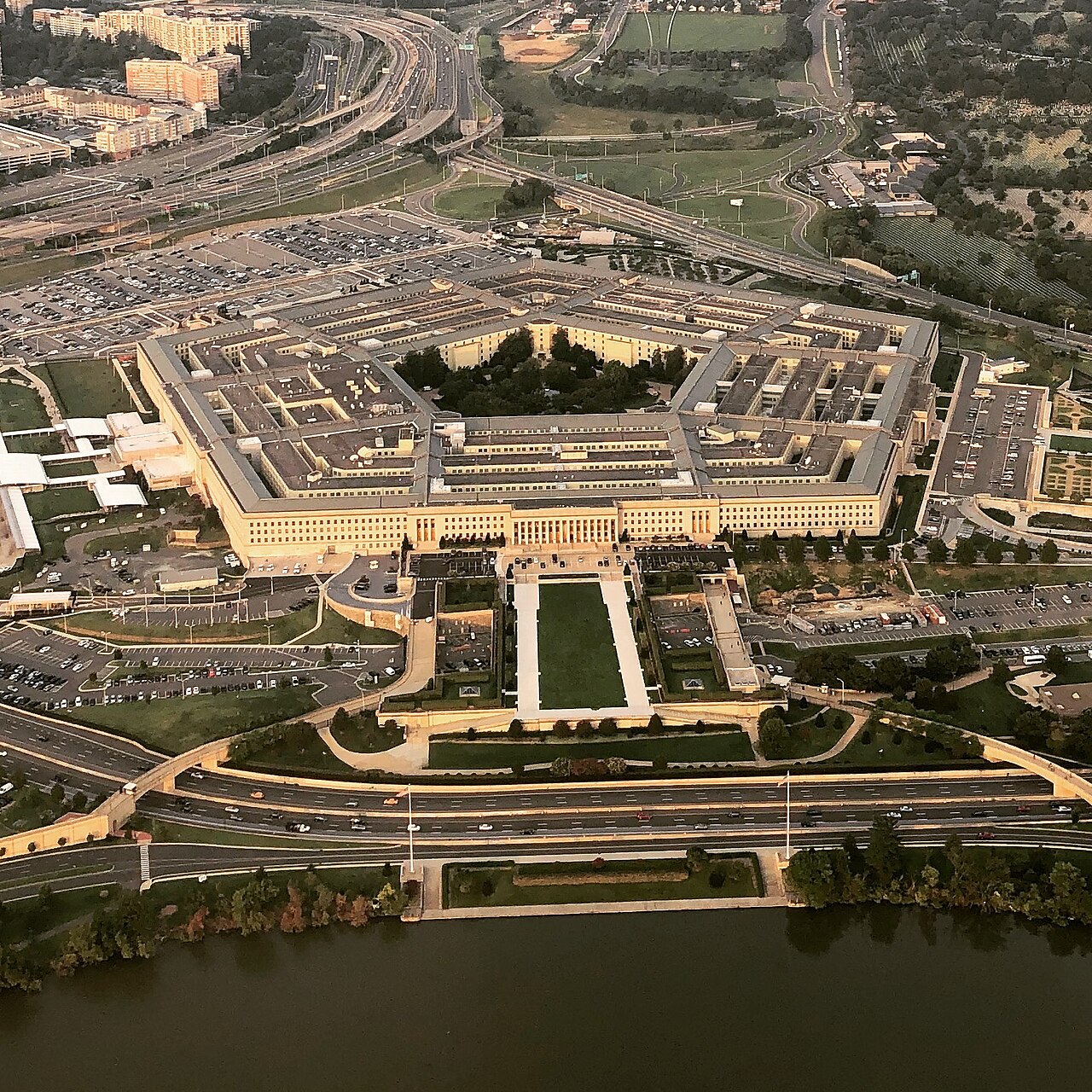
Picture credit: By Touch Of Light - Own work, CC BY-SA 4.0, https://commons.wikimedia.org/w/index.php?curid=158822157
Every story we have kept in Public Policy, newest first. Headlines link to the publisher; the tags below narrow the list.
Climate change and energy transition rise up national security agenda
At Climate Week NYC, global leaders including UK's Ed Miliband, Australia's Anthony Albanese and UN climate chief Simon Stiell framed clean energy transition and climate resilience as national security priorities, not just environmental policy.
Editor's noteFraming the energy transition as security rather than environment is a funding argument, not a rhetorical one. Defence budgets move on different timescales and survive changes of government. Watch which ministries end up holding the money, because that will tell you whether the reframing was strategy or a conference line.
How Might a ‘Super El Niño’ Affect Food, Forests and Water?
WRI examines the potential impacts of a developing 2026 Super El Niño, warning that stronger-than-normal ocean warming could intensify droughts, floods, heatwaves, food insecurity, ecosystem stress, fisheries disruption, and wildfire risks worldwide.
Why did 1,000 Swiss citizens bury their underpants?
A citizen-science project asked more than 1,000 volunteers to bury cotton underwear to measure soil health. Researchers found decomposition rates varied widely, showing that land use and management strongly influence underground biological activity.
Editor's noteA thousand citizens burying cotton underpants for two months is a biological-activity meter that is cheap, repeatable and slightly ridiculous, which is why it led Public Policy rather than Funny. The finding is the policy: land use changed decomposition more than anything else measured. How ground is managed decides what lives in it, and that is a regulation question.
What Is El Niño? Here’s What It Means for Weather, Water, and Global Economy
A WIRED explainer examines an exceptionally strong El Niño event, outlining how unusual Pacific Ocean warming can alter rainfall, temperatures, storms, agriculture, water supplies, and economic activity across multiple regions worldwide.
Why land-use emissions have fallen by a third this century – in six charts
Global land-use emissions have fallen roughly one-third since the early 2000s due to lower deforestation rates, reduced peatland emissions, and stronger forest regrowth, though fossil-fuel emissions continue rising and remain the dominant climate challenge.