
Public Policy
Regulation, trade, government and security, read for what they do to the businesses that have to live with them.
Public Policy is the vertical for the decisions made in capitals that land on companies. Regulation, trade and tariffs, elections and government, antitrust, and healthcare policy are the beats, and geopolitics and security appear when they change what a business can plan for. Three stories each weekday at 11, in our own words, linked to the publisher. We choose for the reader who has to model a policy risk rather than argue about it: the general counsel, the head of government affairs, the founder selling into a market whose rules are moving. Sources range from newspapers to think tanks and academic institutes, and we say which is which. The editor’s note beneath the day’s lead explains the choice and what to watch as the policy moves from proposal to enforcement.
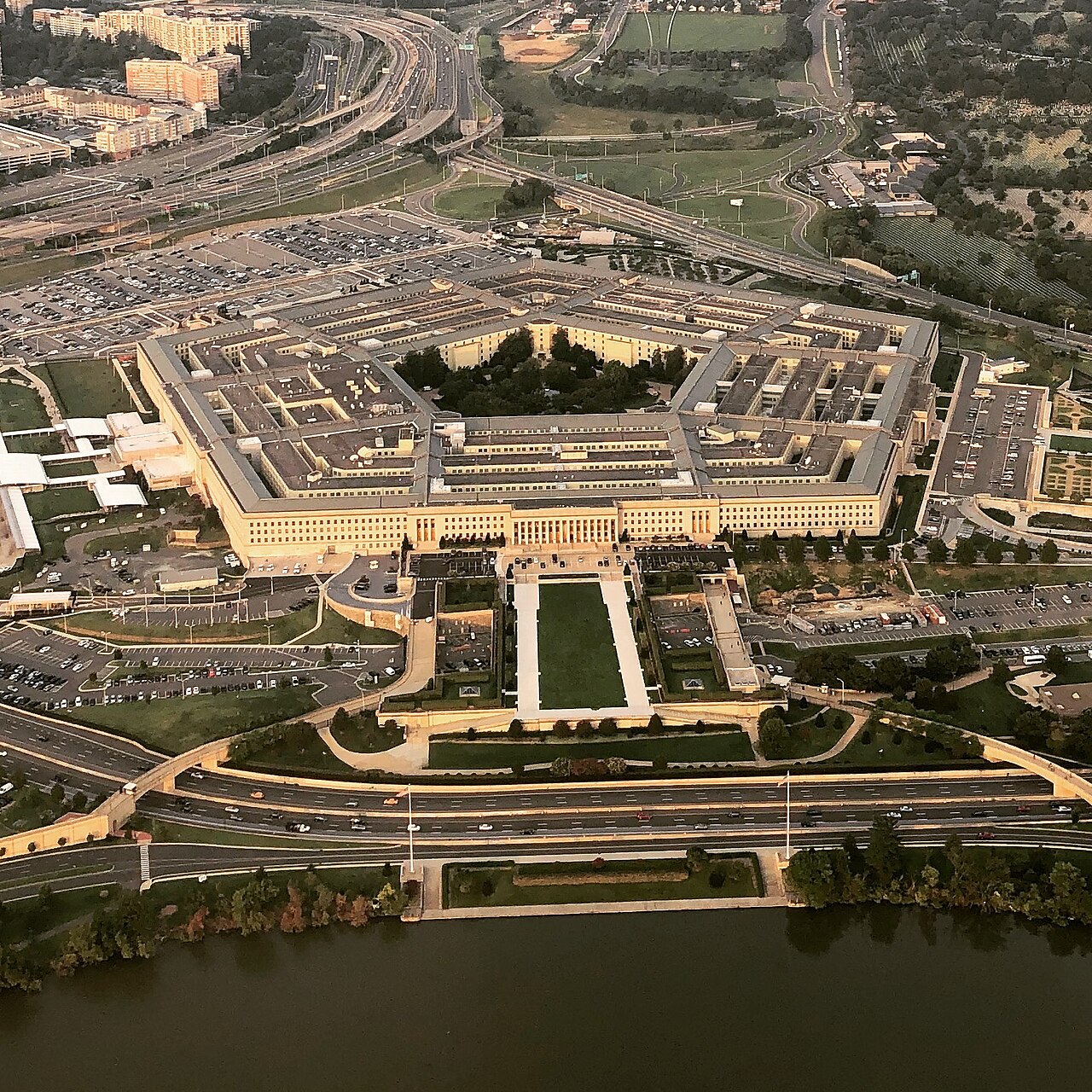
Picture credit: By Touch Of Light - Own work, CC BY-SA 4.0, https://commons.wikimedia.org/w/index.php?curid=158822157
Every story we have kept in Public Policy, newest first. Headlines link to the publisher; the tags below narrow the list.
Armenia Battles to Buy Time
Armenia is weighing EU membership while resisting Russian pressure to remain in the Eurasian Economic Union, as Pashinyan pursues trade diversification amid falling Russian trade.
Chinese Shipper COSCO Collects Intel for Beijing with Concealed Equipment, U.S. Officials Say
United States officials say a Chinese state-owned shipping line carries concealed equipment that listens to military communications near the countries its vessels visit.
The SCO’s Diminishing Usefulness for India
The regional bloc's summit in Kyrgyzstan showcased Xi Jinping's pull and India's shrinking room inside it, leaving Delhi to choose between two blocs or the work of building its own.
Negotiating AI Limits and Biological Weapons
International agreements restricting AI-enabled biological weapons are currently unrealistic, citing geopolitical rivalry, lack of shared threat perception among major powers, and the difficulty of securing meaningful multilateral cooperation.
Editor's noteThis ran precisely because it argues that the treaty everyone calls for cannot be negotiated yet. The reasons are the useful part: no shared threat picture, no trust between the powers that matter, no verification path. Treat it as a map of what has to change before the diplomacy can start.
China's Alternative World Order
VIDEO: Xi Jinping is advancing an alternative global order centered on Chinese institutions, technology, and norms. Despite visible setbacks, China’s vision continues to attract support in parts of the developing world.
Editor's noteA Hoover video rather than a paper, chosen because it lays out the institutions China is actually building instead of arguing about intent. The setbacks are real and so is the appeal across the Global South. If you sell into either camp, the map of which norms are being exported matters more than the rhetoric.