
Public Policy
Regulation, trade, government and security, read for what they do to the businesses that have to live with them.
Public Policy is the vertical for the decisions made in capitals that land on companies. Regulation, trade and tariffs, elections and government, antitrust, and healthcare policy are the beats, and geopolitics and security appear when they change what a business can plan for. Three stories each weekday at 11, in our own words, linked to the publisher. We choose for the reader who has to model a policy risk rather than argue about it: the general counsel, the head of government affairs, the founder selling into a market whose rules are moving. Sources range from newspapers to think tanks and academic institutes, and we say which is which. The editor’s note beneath the day’s lead explains the choice and what to watch as the policy moves from proposal to enforcement.
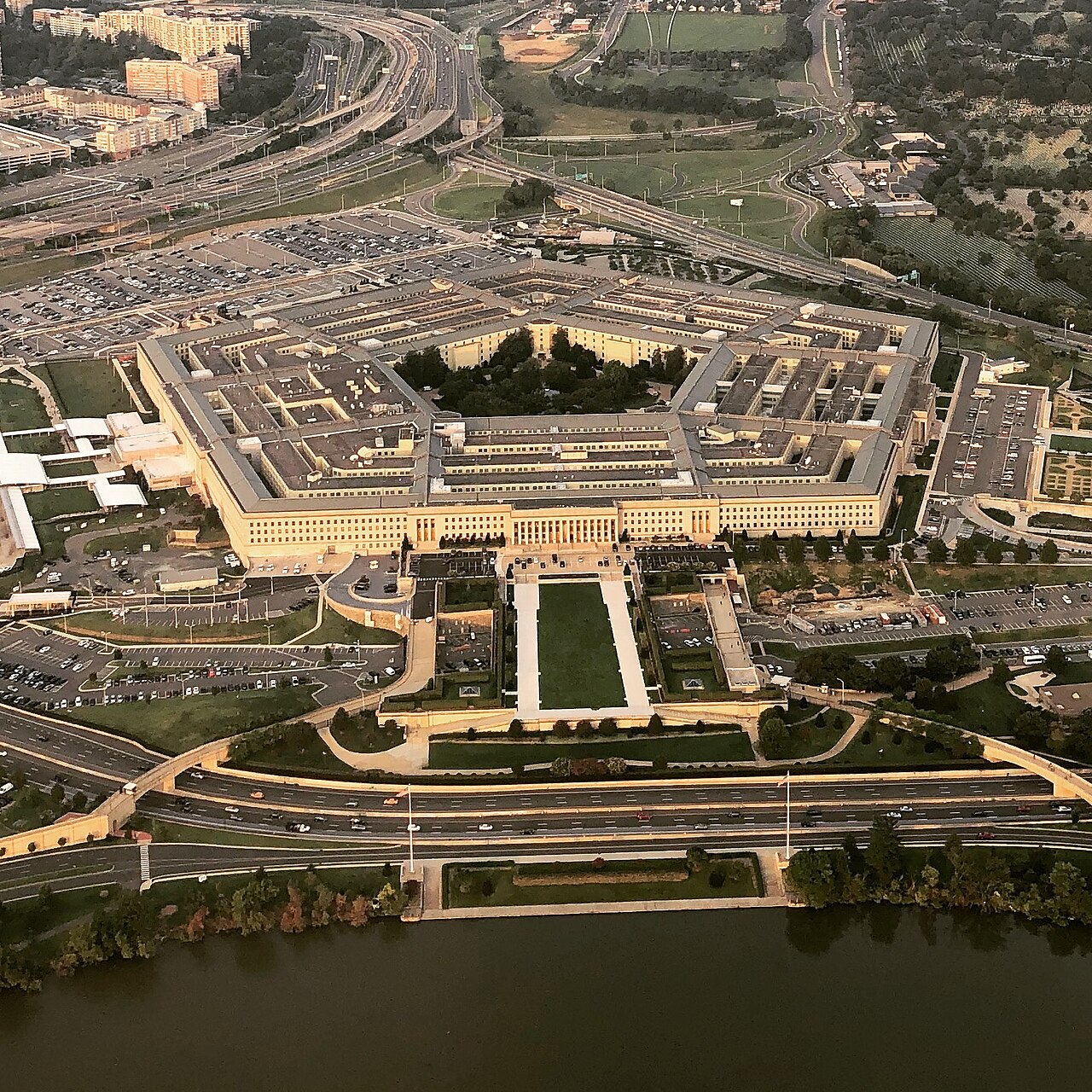
Picture credit: By Touch Of Light - Own work, CC BY-SA 4.0, https://commons.wikimedia.org/w/index.php?curid=158822157
Every story we have kept in Public Policy, newest first. Headlines link to the publisher; the tags below narrow the list.
Websites ‘in jeopardy’ amid U.S. Web Design System takeover, coalition tells GSA
A coalition of developers and former officials asked GSA to reverse recent changes to the government's web design toolkit, including sidelining its lead, removing contributors, and automating accessibility testing, warning that thousands of public websites could be affected.
Police in Texas Totaled an Innocent Woman's Car. Why Did Houston Deny Her Claim for Compensation?
After Houston police gunfire destroyed student Abigail Trujillo's car during a suspect pursuit, the city refused compensation. The mayor later arranged a replacement and a review of other denied claims, amid wider disputes over property damage from police operations.
Americans Say the United Nations Is Doing a Bad Job. They're Right.
A new Gallup poll finds most Americans rate the United Nations poorly on human rights, law, development and peacekeeping; the author argues corruption and dysfunction justify that skepticism.